
What Is Car Recovery, and How Is It Different from Towing?
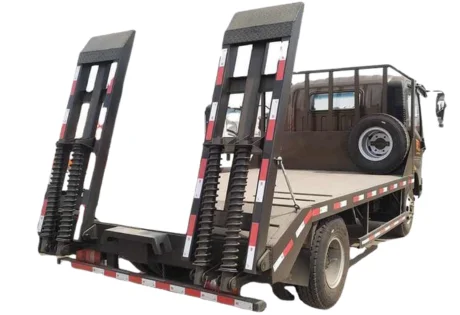
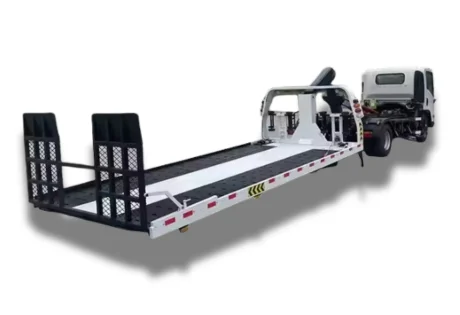
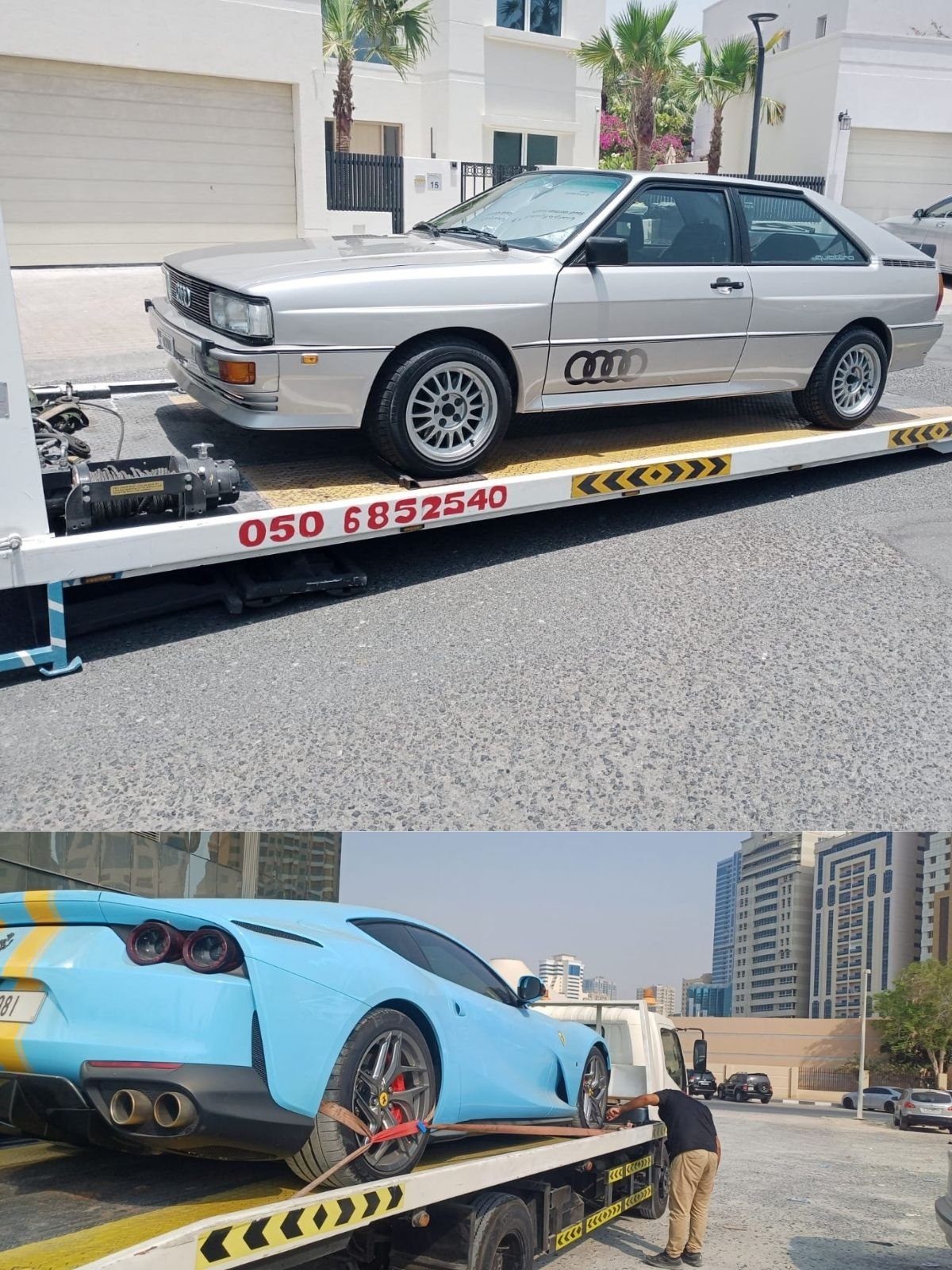
"Towing" and "recovery" get used interchangeably, but they're not quite the same job. Towing usually means pulling a driveable vehicle behind another one — something rarely done safely on Dubai's fast-moving roads. Recovery means loading the vehicle fully onto a flatbed, so all four wheels leave the ground. For nearly every breakdown, accident, or immobilized car in the city, flatbed recovery is the safer and more common option, and it's what a licensed recovery operator will default to unless there's a specific reason not to.
When You Actually Need a Recovery Truck
Some situations are obvious — a flat tyre with no spare, an engine that won't turn over, an accident that's left the car undriveable. Others are less obvious. If your car is making an unfamiliar noise, if a warning light you don't recognize has come on, or if the vehicle drives but doesn't feel right, it's often safer and cheaper in the long run to have it recovered to a garage rather than risk driving it further and turning a minor fault into a major repair.
What Drives the Price of a Recovery
A handful of factors determine what a recovery costs: the distance between the pickup point and the drop-off garage, the type of vehicle (a compact hatchback and a large SUV need different equipment), whether the location is easy to access or requires a specialized truck (a tight basement car park, for example), and whether the job is happening during normal hours or as an urgent, out-of-hours dispatch. A transparent operator will walk you through these factors and confirm a fixed price before a truck is sent — you shouldn't be quoted one number on the phone and charged another on arrival.
Dubai's Summer Heat and Battery Failure
Between roughly May and September, Dubai sees some of the highest ambient and road-surface temperatures anywhere in the world. That heat is hard on car batteries specifically — high temperatures accelerate the chemical degradation inside a lead-acid battery, which is why battery-related breakdowns spike noticeably during peak summer. If your car has been struggling to start for a few days, that's usually a battery nearing the end of its life, not a one-off fault, and it's worth having it checked before it fails somewhere inconvenient — like a parking basement ramp or a highway shoulder.
Recovery from Highways and Fast Roads
A breakdown on a road like Sheikh Zayed Road or Al Khail Road is a different problem from one in a parking lot. Traffic doesn't slow down for a stopped car, and pulling fully onto the shoulder isn't always possible depending on where the fault happens. If you break down on a fast road: turn on your hazard lights immediately, try to coast as far onto the shoulder as you safely can, and stay inside the vehicle with your seatbelt on if you're in a live lane — it's generally safer than standing beside the car. A recovery operator familiar with the route will position their truck to shield the vehicle from oncoming traffic while loading it.
Desert and Off-Road Recovery Basics
Getting a vehicle stuck in sand near the city's outskirts — heading out toward the desert conservation areas or off well-marked tracks — needs different equipment from a standard flatbed job: sand ladders, a winch, and often a second 4x4 to provide a stable anchor point. If you're planning any desert driving, it's worth saving a recovery operator's number in advance rather than searching for one after you're already stuck with limited signal.
Accident Recovery and Insurance
After an accident, your priorities are safety first, then documentation. If anyone is injured, call emergency services before anything else. Once the scene is safe, most UAE insurers will want you to report the incident and, for anything beyond a very minor scrape, may direct you to the police for an accident report before the vehicle is moved. A recovery operator can still attend to move the vehicle safely out of traffic and can usually provide photos or a short report of the vehicle's condition at pickup, which is useful to have alongside — not instead of — your own accident documentation and any police report.
What to Have Ready Before You Call
A recovery call goes faster, and gets you a more accurate quote, if you have a few things ready: your exact location or a shareable map pin, your vehicle's make and model, a short description of what happened or what's wrong, and where you'd like the car delivered (your home, a specific garage, or a workshop). If you're not sure exactly where you are, look for the nearest landmark, exit number, or building name — that's usually enough for a local operator to locate you quickly.
Choosing a Recovery Operator
Look for three things: a fixed price confirmed before dispatch, a real response-time estimate rather than a vague "we'll try to get there soon," and confirmation that the operator is licensed and insured. A company that's reluctant to commit to any of these three is worth being cautious about, especially if you're calling under pressure during a breakdown.